
Your Complete Guide to Fiberglass Pool and Water Heater
You have put money into a fiberglass pool. Now, you may want to know how to keep the water nice all year. A water heater can help make the swimming season longer. But, with so many choices out there, it might feel hard to pick the right one.
This guide helps you learn all you need about choosing a water heater for your fiberglass pool. We talk about the different types, how to put them in, and how to take care of them. This will help you see which one is good for your home, fits your budget, and works well in your climate.
No hard words here. I want to give you clear information. This will help you feel sure about the choice you make.
What You Need to Know
- Fiberglass pools can be used with any type of water heater. This includes gas, electric, heat pump, or solar heaters.
- The efficiency of heating depends on the size of your pool, the climate in your area, and how often you use the pool.
- A heat pump is the most energy-efficient choice when you have a moderate climate.
- A gas heater will heat up the water the fastest.
- It is important to have the heater sized right. If the heater is too small, you will waste money and it will not work well.
What Does a Pool Water Heater Actually Do?
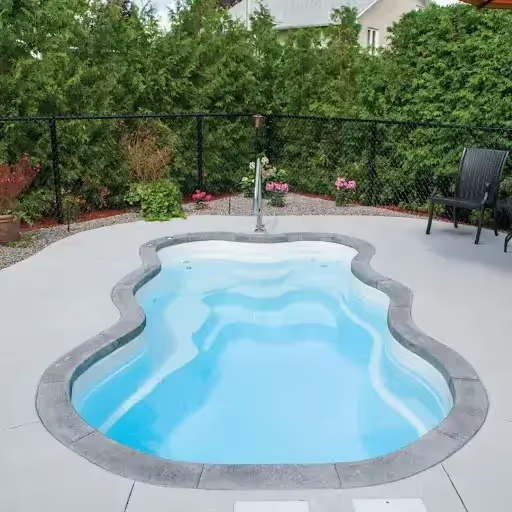
A swimming pool water heater works to increase and keep your pool water warm. This means you can swim in the pool and feel good, even if it is cool outside. Fiberglass pools are good for holding heat in the water because of the way their shell is made. They keep the water temperature better than vinyl or concrete pools do.
This means your heater will not have to work as much to keep the right temperature. Over time, this helps it to be better for you and use less energy.
Most people who own a home want to keep their pool between 26°C and 28°C. If you do not have a heater, the pool temperature will be set by the weather and the sun. This means you can use the pool for the swimming season for only a few warm months.
A water heater lets you have control and be flexible, especially during the spring and fall.
Types of Water Heaters for Fiberglass Pools
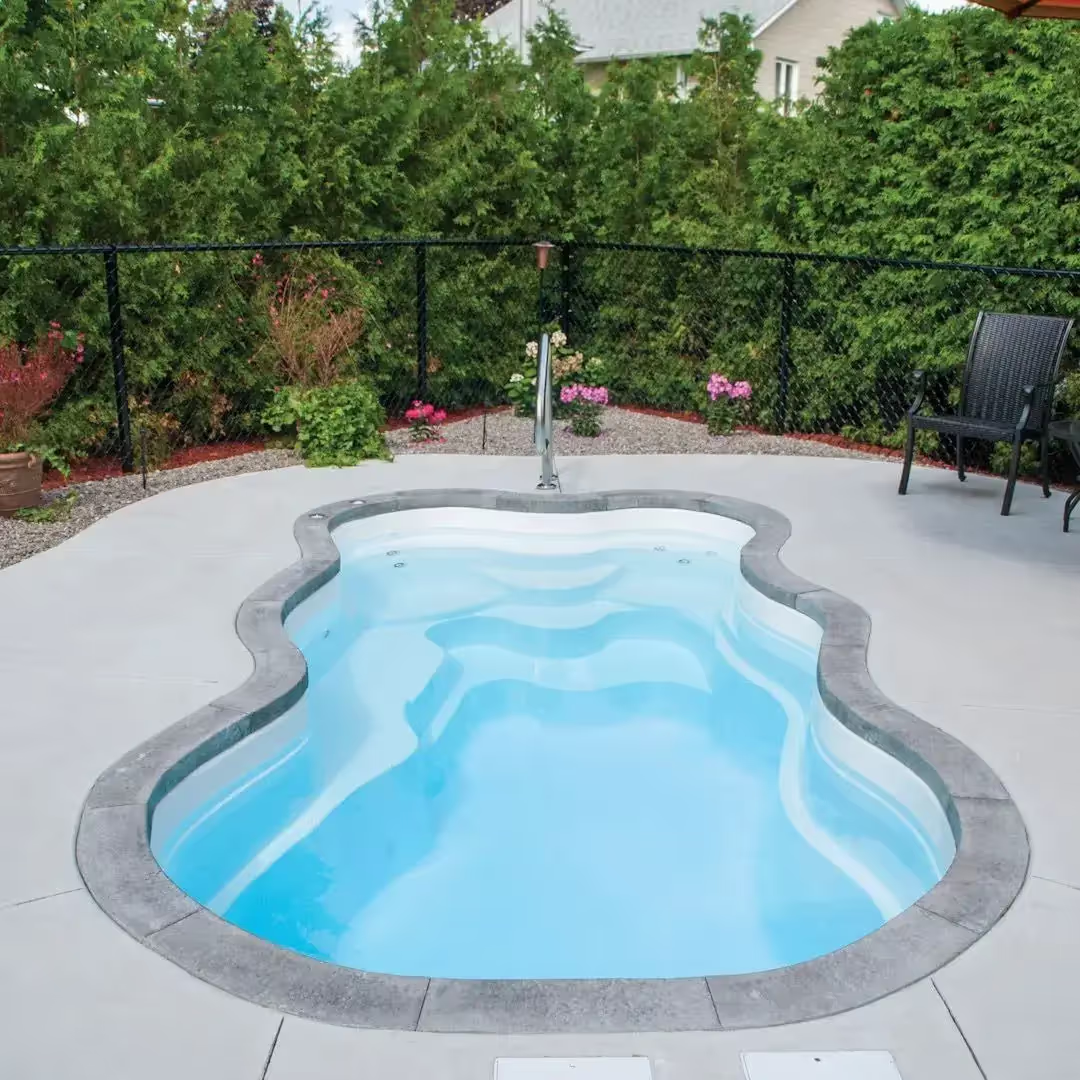
How Each Water Heater Type Works
Gas Heaters
Gas heaters use natural gas or propane to make pool water warm. They work fast, so these are good if you want to heat the pool water quickly or you live in a cold place. The heater burns the gas in its chamber. Flames then warm up copper coils inside it. When pool water moves through the coils, it picks up heat and goes back to your pool nice and warm.
Electric Heat Pumps
Heat pumps take warmth from the air and move it to your pool water. They do this best when it is over 10°C outside. A gas heater will create heat by burning fuel, but a heat pump uses power to move heat that is already there. The process is like how your refrigerator works, but in the opposite way.
According to Natural Resources Canada, this kind of efficiency means that heat pumps are much cheaper to use than gas heaters. This is true when you use them all the time.
Solar Pool Heaters
Solar heaters use panels that catch sunlight to warm your pool water in a natural way. This is the most friendly option for the earth, and there are almost no extra costs after getting it. A pump moves your pool water through solar panels, which are often put up on your roof or on ground racks. There, the pool water picks up heat from the sun before going back to your pool.
According to Natural Resources Canada, unglazed plastic collectors are used for pool heating in most solar thermal setups in Canada. They make up 71% of the installations. These systems help people save a lot of energy each year. They also stop thousands of tonnes of CO2 from going into the air.
How to Choose the Right Water Heater
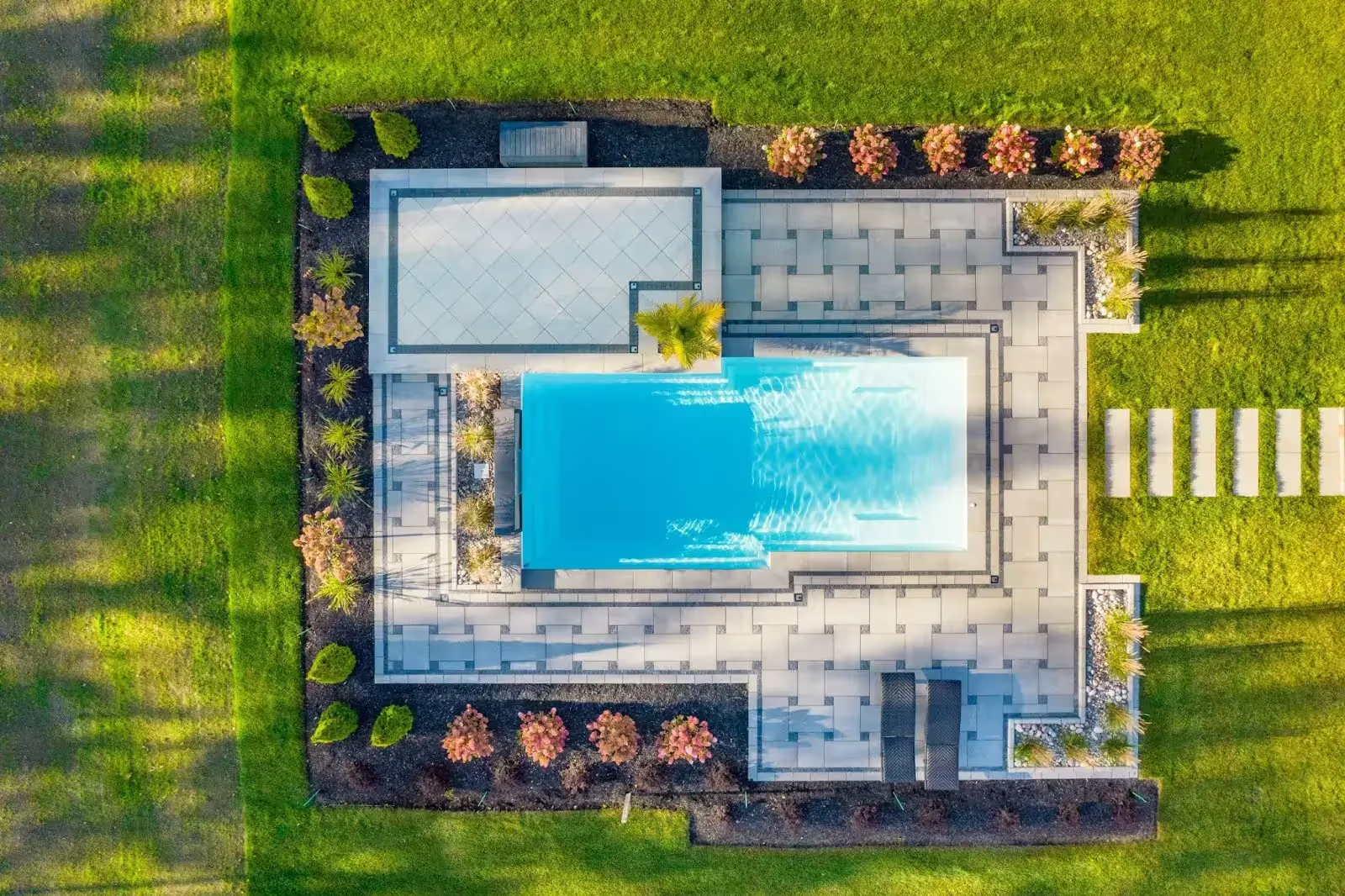
The best water heater for your fiberglass pool depends on a few things.
Pool size: A bigger pool will need a stronger heater. A pool with 57,000 litres in it needs more BTUs (British Thermal Units) than a pool with 38,000 litres.
Climate: Heat pumps work best when the weather is not too hot or too cold. Gas heaters are better for places that get very cold.
Usage frequency: People who swim from time to time will get good use out of gas heaters. If you swim every day, heat pumps can help you save money.
Gas heaters cost less to buy at first, but you will pay more each month to use them. Heat pumps need more money to get at the start, but you will spend less every month after that.
Environmental impact: Solar and heat pumps are good for the earth. Gas heaters give off emissions.
Common Mistakes to Avoid
If your heater is too small, it will not heat your pool the right way. The heater will keep running all the time and this will waste energy.
Ignoring climate: Heat pumps do not work well when it is cold. If you live in a northern climate, you should choose gas.
Skipping professional installation can lead to problems and make your warranty useless. It can also be dangerous, more so when gas lines are involved.
Not thinking about long-term efficiency can cost you. A heater that is not energy-efficient uses more energy over time. A good energy-efficient heater saves you money in the long run.
Forgetting maintenance can cause filters to get dirty. It can also lead to scaling in the heater. This brings down the heater efficiency. It also makes the heater not last as long.
Which Water Heater Is Right for You?
A heat pump is the best choice for pool owners who live in warm places and use their pool every day. It is great for swimming all year. Gas heaters are better for people who live in cold areas and use their pool sometimes, like just on weekends. Gas heaters can heat the water fast, no matter what the weather is outside.
Solar heaters work best in places that get a lot of sun. They cost very little to run and are good if you care about the environment and do not mind spending more at the start to save later on. If you live in a place that is not too hot or cold and swim often, a heat pump usually gives you the best of both worlds. It works well and saves you money over time, so the higher up-front price can be worth it after a few years because you pay less for energy.
What to Do Next
If you want to put in a water heater, talk to someone who knows about pools and has the right license. This person can look at the size of your pool, the climate where you live, and how much you use your pool. They will work out which heater size is good for you. They will also help you choose the best system for what you need.
If you already have a heater, you should plan to do maintenance once a year before swimming season. Clean or put in new filters. Look for any leaks, and test the temperature controls to make sure they work.
If you want to compare your options, think about the upfront cost and how much energy each one uses each year. Different systems do not use the same amount of energy. That means some can give you better value over time. Efficiency matters a lot in the long run.
Most people who own a home can get back the extra money they spent on good systems in just a few years.
Maintenance Tips for Longer Heater Life
Keep your water heater working well by doing these simple things:
- Test the water every week. A balanced pH keeps scaling and rust away.
- Clean your pool filters once each month. This will help water move as it should.
- Put a cover on your pool when you are not using it. This helps keep the water warm and makes the heater work less.
- Get someone to check everything each year.
- Make sure there is no trash or plants close to the heater.
Fiberglass pools do not need as much chemical balancing as concrete or vinyl pools. This helps you use the heater less. It also means their maintenance needs are lower over time.
Final Thoughts
Pairing a water heater with your fiberglass inground pool can help you use it for a longer swimming season. It can also make the most of your investment. The best choice for a heater depends on your climate and budget. It also depends on how often you plan to swim.
Heat pumps are the best way to stay warm if you live in a place with mild weather. A gas heater is good if you want quick heat. A solar system does not cost anything to run when you get lots of sun.
No matter what you pick, be sure to have the right size and let a professional put it in. This will help it work well for a long time. Your fiberglass pool is made to last and needs less cleaning or fixing. A good heater will make it feel better and let you use your pool more of the time.
If you do not know which water heater is good for your fiberglass pool, our team can help you look at your options. We will tell you which system is right for your climate, how much you want to spend, and how often you use your pool.
Get in touch with us at Fibro Pools to talk about the different water heater choices that we offer.