
Fiberglass vs. Vinyl vs. Gunite Pools — Which One Is Right for Your Backyard?
Choosing the right type of inground pool is one of the biggest decisions a homeowner will make during a backyard project. The three most common pool types are fiberglass, vinyl-liner, and gunite (concrete) Although they may look similar once installed, the differences in installation speed, durability, and maintenance are significant.
What You Need to Know
- Fiberglass pools arrive pre-assembled from the factory, eliminating extensive on-site construction work
- The non-porous gel coat surface prevents algae growth and requires fewer chemicals than other pool types
- Structural reinforcements and solid composite construction resist cracking and seasonal ground movement
- DIY-friendly design includes pre-plumbed systems and support resources for homeowner installation
- White finishes provide superior fade resistance and maintain their bright appearance for decades
Installation Speed
Fiberglass Pools — Fastest Installation
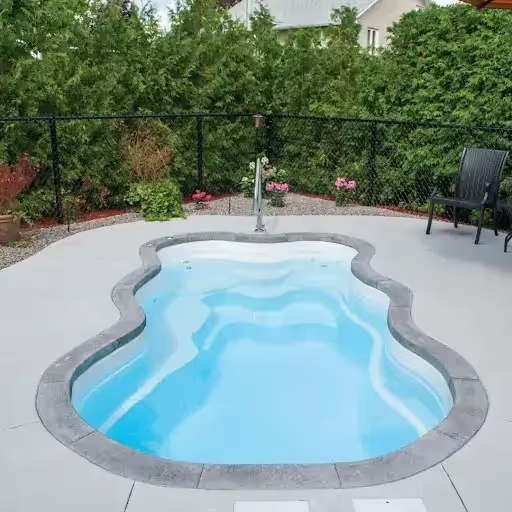
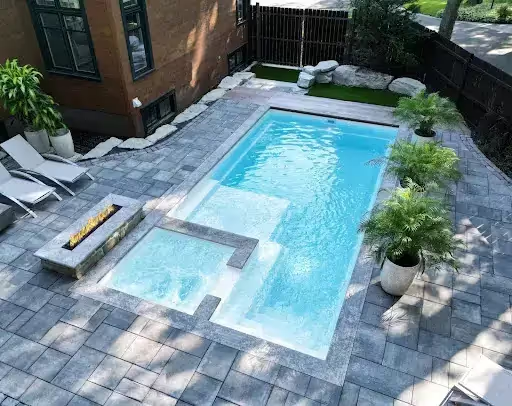
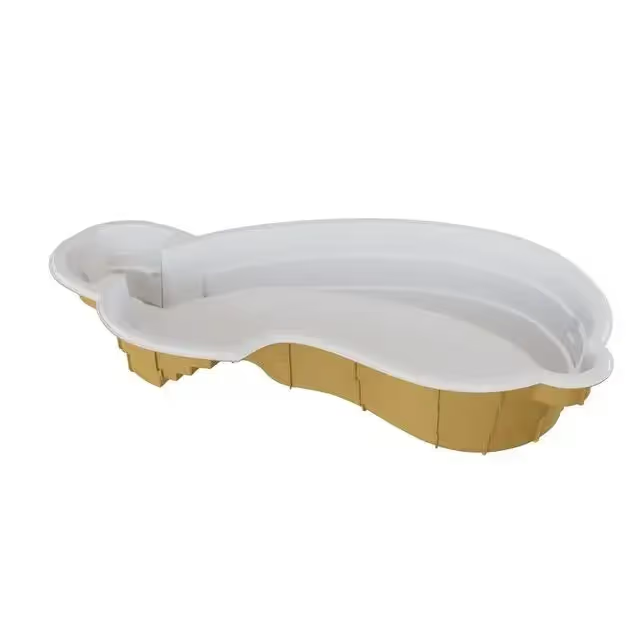
TheFiberglass pools are factory-built in one solid shell, delivered pre-assembled and ready to drop into the ground. With Fibro Pools, our models are pre-plumbed, pressure-tested, and reinforced, meaning the installation process is streamlined and predictable.
The fiberglass type of pool installation can be done in a few days to a couple of weeks, depending on site preparation.
Why ours are even faster:
- Pre-assembled filtration system
- Structural ribs allow backfilling with no water inside
- Minimal on-site fabrication
- Consistent quality from our robotic manufacturing process
This makes fiberglass pool installation ideal for homeowners who want a smooth, low-stress installation.
Vinyl-Liner Pools — Moderate Installation Time
Vinyl pools are built on site with panel walls and a flexible vinyl liner installed afterward. Because they require more assembly and leveling, installation typically takes 2–4 weeks or longer. Delays can be caused by various factors such as weather, crew scheduling, or ground conditions, which can extend the timeline.
Gunite (Concrete) Pools — Longest Build Time
Gunite pools are fully constructed on site, sprayed in layers and shaped by hand. This customization also means construction is slow and disruptive, typically taking 2–3 months or more. Concrete needs cure time before finishing, which can add extra weeks to the process.
Longevity & Structural Strength
Fiberglass — Built to Last
A high-quality fiberglass pool is engineered as a single, solid composite structure. With Fibro Pools, each shell features vertical and lateral structural reinforcements designed for long-term stability.
Fiberglass pools are:
- Resistant to cracking and shifting
- Non-porous, meaning they don’t absorb water or chemicals
- Designed to withstand seasonal ground movement
Our pools include a 25-year structural warranty, giving homeowners confidence that their investment will stand the test of time.
Vinyl-Liner Pools — Shorter Lifespan
While the structure beneath a vinyl pool may last many years, the liner itself typically needs replacement every 5–10 years due to fading, wrinkling, tearing, or staining.
Liner replacements add recurring costs over time and can be inconvenient for homeowners.
Gunite Pools — Strong but Porous
Gunite structures are extremely strong, but the porous surface gradually wears down. Over time, concrete pools may require:
- Resurfacing
- Crack repairs
- Tile replacement
- Ongoing patching
While durable, the pool maintenance expenses can add up across the pool’s lifetime.
Maintenance & Ongoing Costs
Fiberglass — Lowest Maintenance
The smooth gel coat surface of the fiberglass pool shell is non-porous, meaning bacteria has nowhere to attach which results in less algae growth. That results in:
- Fewer chemicals required
- Easier cleaning
- Lower long-term operating costs
At Fibro Pools, we focus on white fiberglass finishes because they are the most resistant to fading and aging — ensuring the pool keeps its clean, bright appearance for years.
Pairing our pools with salt systems, variable-speed pumps, and pre-assembled equipment pads makes ownership even simpler and more effective.
Vinyl Liner Pools — Moderate Maintenance
Vinyl liner pools require:
- Specific needs such as the care to avoid tears and punctures
- Liner wrinkle management
- Careful chemical balancing to prevent staining
Although the initial cost is less, the ongoing liner maintenance needs and replacement costs should be factored in.
Gunite Pools — Highest Maintenance
Because concrete is porous, gunite pools:
- Require more chemicals and a lot of work for maintenance requirements
- Needs ongoing maintenance such as frequent brushing to prevent algae,
- Often consume more energy (meaning additional maintenance costs) due to larger filtration systems
Over time, these pools may also require major resurfacing work, making them the costliest to maintain long-term.
Why Do More Homeowners Choose Fiberglass?
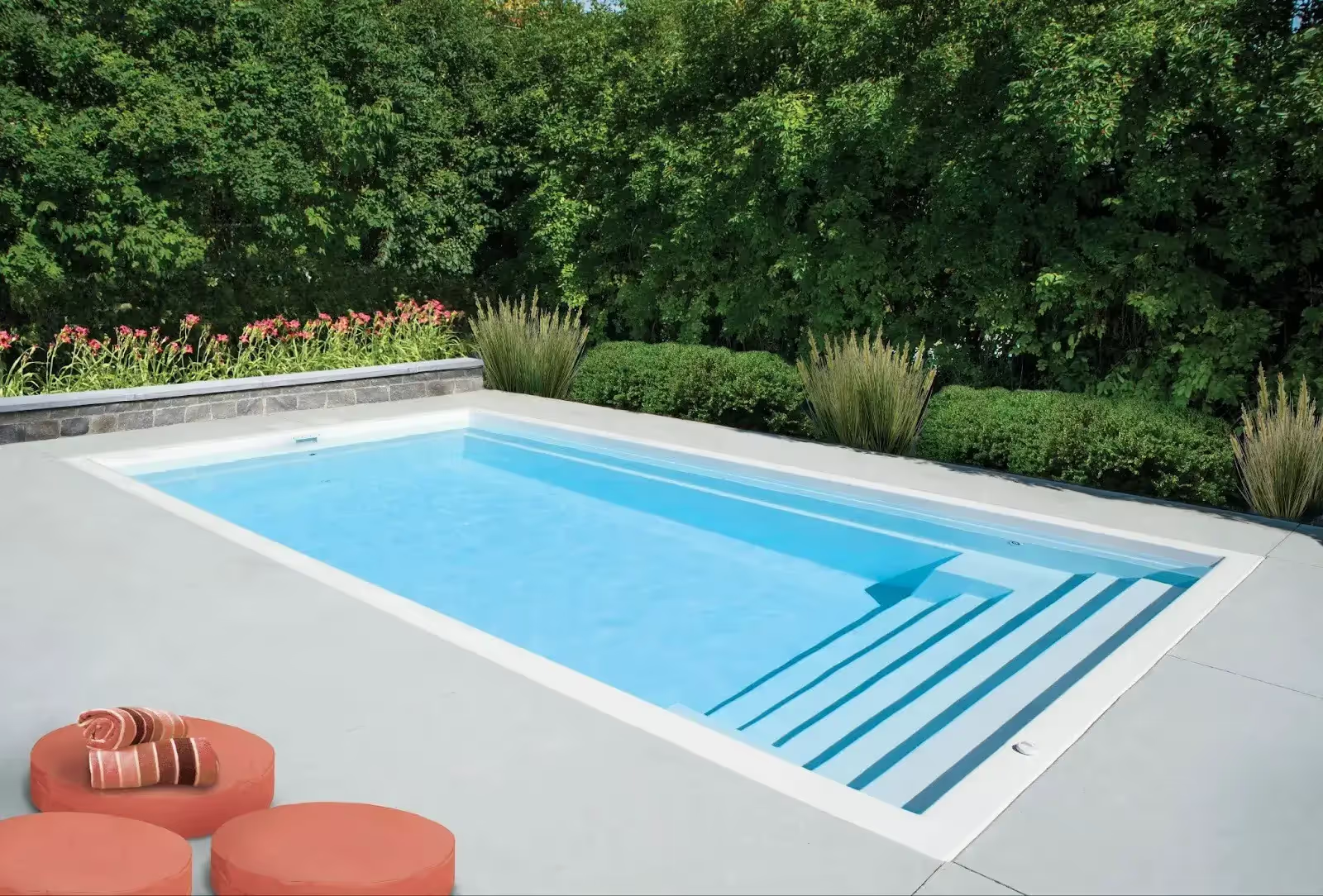
When comparing installation time, durability, and maintenance, fiberglass swimming pools consistently delivers the best balance of value, performance, and simplicity — it's the best fit for homeowners who want a DIY-friendly or faster installation experience.
With Fibro Pools, you also benefit from:
- Pre-assembled, factory-tested components
- Reinforced shells engineered for years of enjoyment
- A modern plug-and-play design concept
- Support resources, guides, and installation assistance
With it's number of advantages, such as variety of shapes, smooth surface, and it's low maintenance cost, no wonder that the fiberglass pool is a popular choice.
You now have the information to make an informed decision as to what is the right type of pool for you. Our goal is to make pool ownership simpler, safer, and more accessible — without compromising quality.
Thinking About a Fiberglass Pool?
If you’re planning on rearranging your outdoor space and want a pool that installs quickly, lasts longer, and requires less maintenance, a fiberglass pool may be the perfect choice.
We’d be happy to help you choose the right model from our wide range of pool design and attractive options for your space and project style.
👉 Contact Fibro Pools to explore our models and installation options.